
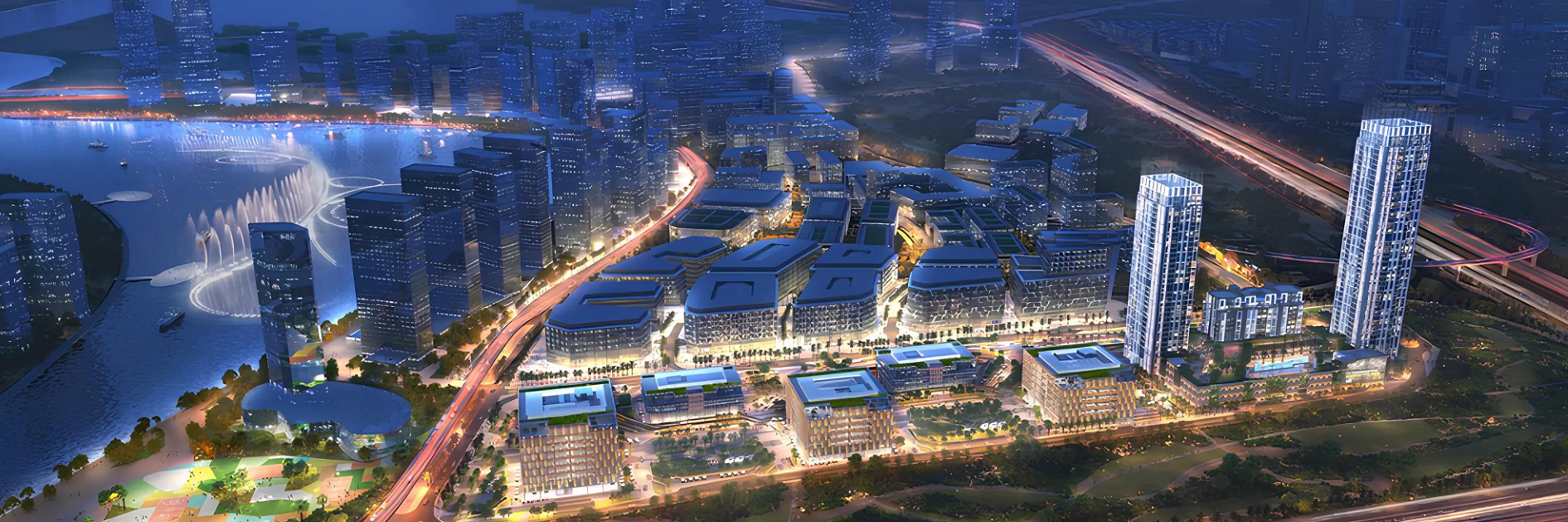
Dubai Design District, widely known as d3, started as a hub for designers, fashion brands and studios and is now becoming a place where people also live. If you are thinking about buying a home here, Alcenza Properties Real Estate in Dubai is an agency that helps buyers find and purchase property in the area, and it is a good starting point when searching for the Best real estate agency in Design District. Because d3 combines a working creative quarter with a growing residential offering, it is worth understanding how the district works before you compare buildings.
What Is Dubai Design District?
d3 is a mixed-use district developed by TECOM Group, part of Dubai Holding, and launched in 2013 as a base for the region’s creative industries. It sits along the Dubai Canal, between the Downtown and Business Bay area and Ras Al Khor. The district is home to design studios, fashion brands, galleries, concept stores, cafés and the Dubai Institute of Design and Innovation.
It is also known for its events. Dubai Design Week, Dubai Fashion Week and Sole DXB are all held in the district, which gives it a cultural calendar that few other Dubai neighbourhoods can match.
From Creative Hub to Residential Community
For years, d3 was mostly an office and retail district. That changed when the master developer, Meraas, launched the first residential project in the district, Design Quarter, a cluster of three towers with several hundred apartments. More projects have followed, including developments such as Atelis, The Edit and Artistry Two Residences, from a mix of developers.
Meraas has since unveiled an expanded residential masterplan for d3. It features canal-front homes, green spaces, walkable streets and work-live spaces, with the aim of turning the area into a full community rather than a place people visit only for work or events. Many of these projects are still under construction, so completion dates vary.
Living in d3: What It Is Like
The main appeal is the combination of creative atmosphere and city convenience. Residents can walk to cafés, galleries, studios and shops, and some may work in the district itself, reducing the daily commute to a few minutes. The waterfront setting and the design-led architecture give the area a distinct look compared with more conventional residential districts.
The district is also compact and pedestrian-friendly, which suits people who prefer an urban lifestyle over a large suburban villa community. On the other hand, it is still in transition: construction activity continues, some facilities are still developing, and the mix of residents, workers and visitors can make it busier than a purely residential area during events.
Location and Connectivity
d3 is close to Downtown Dubai, Business Bay and DIFC, and it has road links to Al Khail Road and Sheikh Zayed Road. Many of Dubai’s main business districts are within a short drive. As with most central Dubai areas, the best way to judge transport is to test the route at the times you plan to travel. Public transport options and any future connections should be checked against the latest official information.
Types of Homes
Residential offerings in d3 include apartments from studios and one-bedroom units up to larger family layouts, along with duplexes, sky villas and penthouses in selected buildings. Many apartments have skyline or canal views and design-focused interiors. Because projects come from different developers, the finishes, amenities and building styles differ noticeably, so a comparison of several options is worthwhile.
Who Is d3 Suited To?
- Creative professionals and entrepreneurs who want to live close to their studio or office.
- Young professionals and couples who prefer an urban lifestyle with cafés and cultural activity nearby.
- Investors interested in a central location with a limited supply of residential units and a built-in community of workers and visitors, who should verify current rental demand for each building.
- Buyers who value architecture and design and want a home in a district that is built around those themes.
It may be less suited to people who want large private gardens, a quiet suburban setting or a fully established community with schools on the doorstep.
Things to Check Before You Buy
- Ownership status. Confirm that the specific building is freehold and eligible for your type of buyer, and verify registration with the relevant authorities.
- Ready or off-plan. For off-plan homes, check the handover date, the developer’s track record and the payment plan.
- Service charges. Ask what they include and how they compare between buildings.
- Construction and views. Because the district is still developing, check what may be built near the unit you are considering and how it could affect views and noise.
- Event impact. Visit during a normal weekday and, if possible, during a major event to understand the atmosphere.
- Amenities and parking. Review what each building provides and how parking is allocated.
- Current information. Launches, prices and timelines change, so rely on recent developer and official sources.
An agent who knows the district can compare projects and explain the differences between the developers and buildings.
Dubai Design District offers a distinctive way of living, with creative businesses, cultural events and canal-side homes in a single compact area. It suits buyers who value design, convenience and an urban lifestyle, and who are comfortable with a neighbourhood that is still evolving. With clear priorities and careful checks on the building, the developer and the timeline, d3 can be a rewarding place to live and work.